How to Store Vinyl Records Properly
Whether you have 20 records or 2,000, proper storage is the difference between a collection that lasts decades and one that slowly deteriorates. Vinyl records are surprisingly durable when treated right — and frustratingly fragile when they're not.
Here's everything you need to know about storing your vinyl collection the right way.
Why Storage Matters
Vinyl records are made from PVC, which is susceptible to warping from heat, pressure, and improper positioning. A warped record doesn't just sound bad — it can damage your stylus and become permanently unplayable.
Common storage mistakes include:
- Stacking records horizontally — causes warping under weight
- Storing near heat sources — radiators, windows, and electronics
- Leaving records out of sleeves — invites dust and scratches
- Overcrowding shelves — too much pressure bends jackets and discs
The Golden Rule: Always Store Vertically
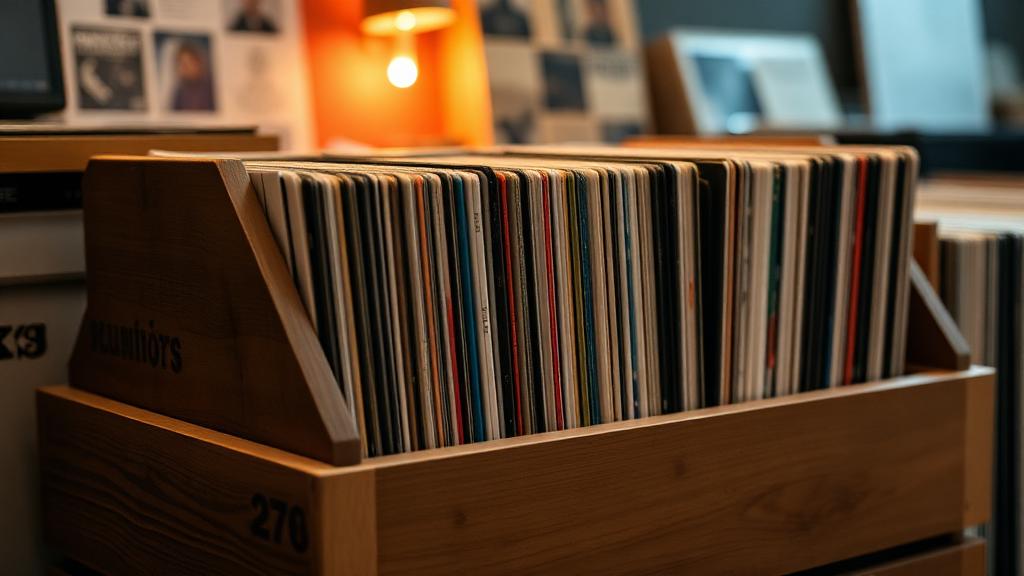
This is the single most important rule of vinyl storage. Records should stand upright, like books on a shelf. Never stack them flat — even a small stack creates enough pressure to warp the bottom records over time.
When storing vertically:
- Keep records snug but not tight — you should be able to slide one out without force
- Use bookends or dividers to prevent leaning
- Don't let records lean at an angle for extended periods
Temperature and Humidity
Vinyl's worst enemies are heat and moisture.
Ideal conditions:
- Temperature: 65–70°F (18–21°C)
- Humidity: 45–50% relative humidity
- Avoid direct sunlight at all costs
If you live in a humid climate, consider a dehumidifier in your storage room. Excessive moisture promotes mold growth on jackets and can affect the vinyl surface.
Inner and Outer Sleeves
The sleeves your records sit in matter more than you'd think.
Inner Sleeves
Replace paper inner sleeves with anti-static poly-lined sleeves (like Mobile Fidelity or Mofi sleeves). Paper sleeves shed particles that embed in grooves, while poly sleeves:
- Reduce static buildup
- Prevent micro-scratches
- Keep dust out
Outer Sleeves
Invest in clear poly outer sleeves for every record. They protect the jacket artwork from shelf wear, ring wear, and moisture. A pack of 100 costs around $15–20 and is one of the best investments you can make.
Shelving Options
Not all shelves are created equal for vinyl storage.
Best options:
- Ikea Kallax — the gold standard for vinyl collectors. Each cube holds roughly 60–80 records
- Custom wooden shelving — build to your exact dimensions
- Metal wire racks — good airflow but can bend under weight
Avoid:
- Shelves deeper than 14 inches (records get lost in the back)
- Flimsy particle board that sags over time
- Shelves in direct sunlight or near heating vents
Cleaning Before Storage
Never put a dirty record back in its sleeve. Dust and debris grind into the grooves every time the record shifts.
Quick cleaning routine:
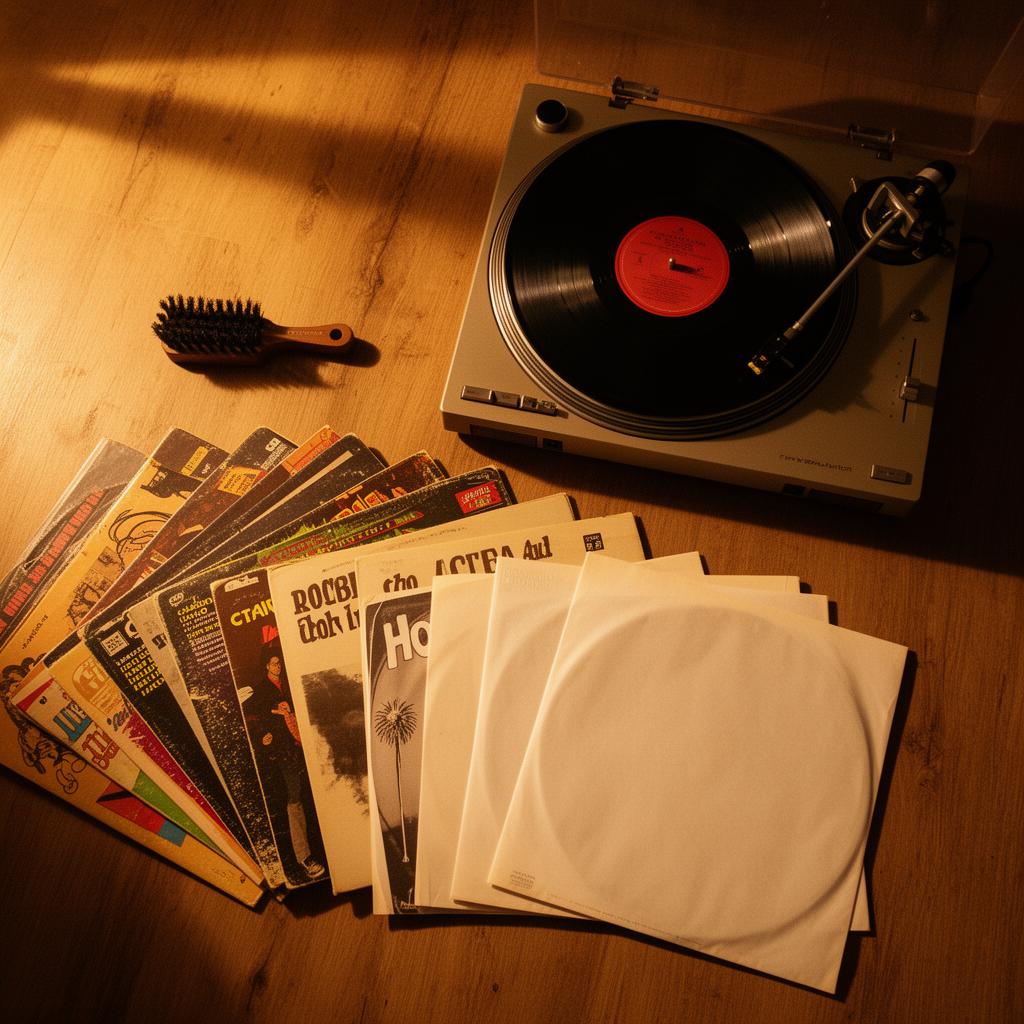
- Use a carbon fiber brush before and after every play
- Deep clean with a record cleaning solution monthly
- For serious collectors: invest in an ultrasonic cleaner ($100–300)
- Always let records dry completely before sleeving
Long-Term Storage Tips
If you're storing records you won't play for a while:
- Clean each record thoroughly before storing
- Use new inner and outer sleeves
- Store the inner sleeve outside the jacket but inside the outer sleeve — this prevents ring wear
- Label boxes or sections with divider cards for easy finding
- Check on stored records every 6 months for any signs of mold or warping
The Bottom Line
Proper vinyl storage isn't complicated — it just requires consistency. Store vertically, control your environment, use quality sleeves, and clean before storing. Your records will reward you with decades of great sound.
What's your vinyl storage setup? Share your tips in the comments below or join the discussion in our Community Forums.
Related Reading
- Beginner's Guide to Vinyl Collecting — New to vinyl? Start here for everything you need to know.
- Vinyl vs CD in 2026: The Sound Quality Debate Continues — How does vinyl compare to CD in terms of audio quality?
- Why Physical Media Still Matters in 2026 — The case for owning your music and movies.